Duraclean at The Cleaning Show
Excel London
Planning to exhibit at ExCeL London? From large-scale global trade shows to corporate exhibitions, exhibiting here requires strategic design, detailed compliance planning and coordinated on-site delivery.
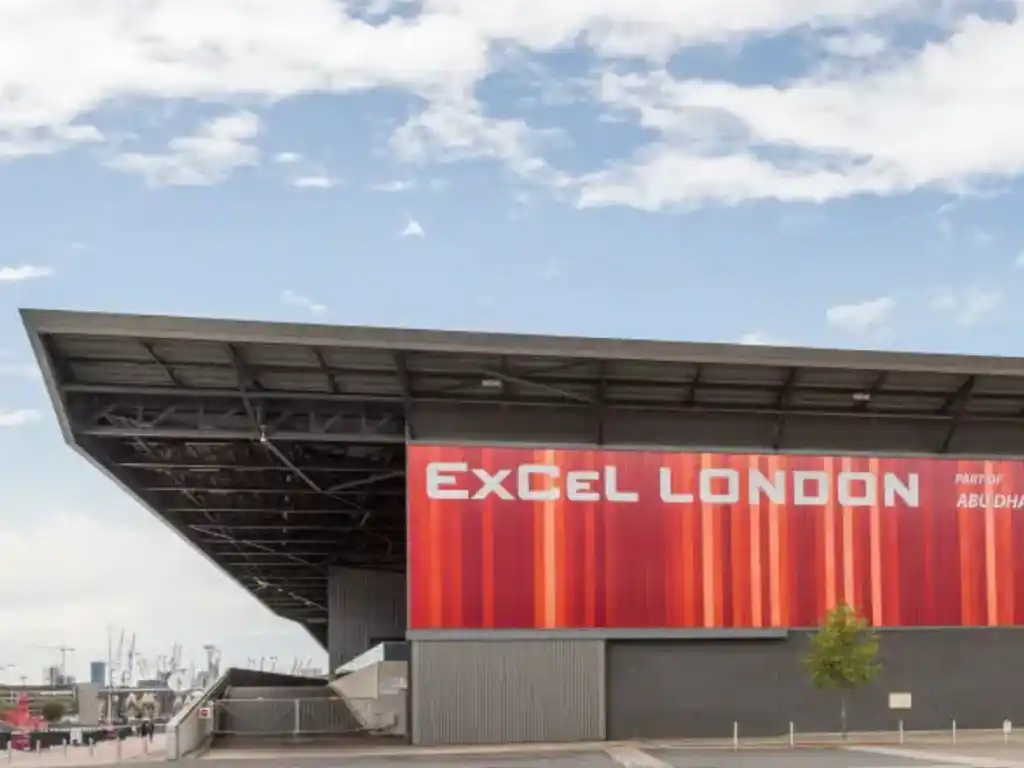
Located in the Royal Docks in East London, ExCeL London is one of the UK’s premier international exhibition and conference venues. Since opening in 2000, it has grown into a globally recognised destination for large-scale trade shows, corporate events and world-leading industry exhibitions.
ExCeL offers over 100,000 square metres of flexible exhibition space, with halls that can be divided or combined depending on event size. Its waterfront setting, proximity to London City Airport and strong public transport links via the Elizabeth Line and DLR make it highly accessible for both UK and international audiences. The venue regularly hosts major events across healthcare, technology, finance, gaming, energy and manufacturing sectors.
Divisible halls accommodate exhibitions of varying scale and format.
Attracts global exhibitors and overseas trade audiences.
Contemporary infrastructure designed for large-scale exhibitions.
Excellent transport links and proximity to London City Airport.
ExCeL combines modern infrastructure with large-scale flexibility. Its adaptable hall configurations allow organisers to host multiple exhibitions simultaneously, while maintaining strong visitor flow and operational efficiency. For exhibitors, this means access to international audiences within a purpose-built, contemporary venue environment.
ExCeL’s scale and international profile demand exhibition stands that deliver impact and technical precision. Stand design must consider visibility within large halls, structural regulations and detailed logistical planning.
Open-plan halls run long, so branding must read from across the aisle.
Rigging needs advance approval and ExCeL's approved contractors only.
Heights vary by hall, typically 4-6m. Above that needs engineer sign-off.
Loading runs through the east and west entrances on timed slots.
Risk assessments and method statements, submitted weeks before build-up.
Minimum cover is set by your show's organiser, not by the venue.
Electrics, rigging and flooring must use ExCeL's approved contractors.
Emergency access routes are strictly enforced and cannot be obstructed.
ExCeL operates under structured contractor guidelines to ensure safe and efficient event delivery.
ExCeL provides access to high-profile, international audiences within one of Europe’s most recognised exhibition destinations. Its modern infrastructure and London location make it a strong platform for brands seeking national and global exposure.
Hosts internationally recognised trade exhibitions annually.
Ideal for technology, finance and professional sectors.
Large-scale events attract significant attendance.
Exhibiting in London enhances market credibility.
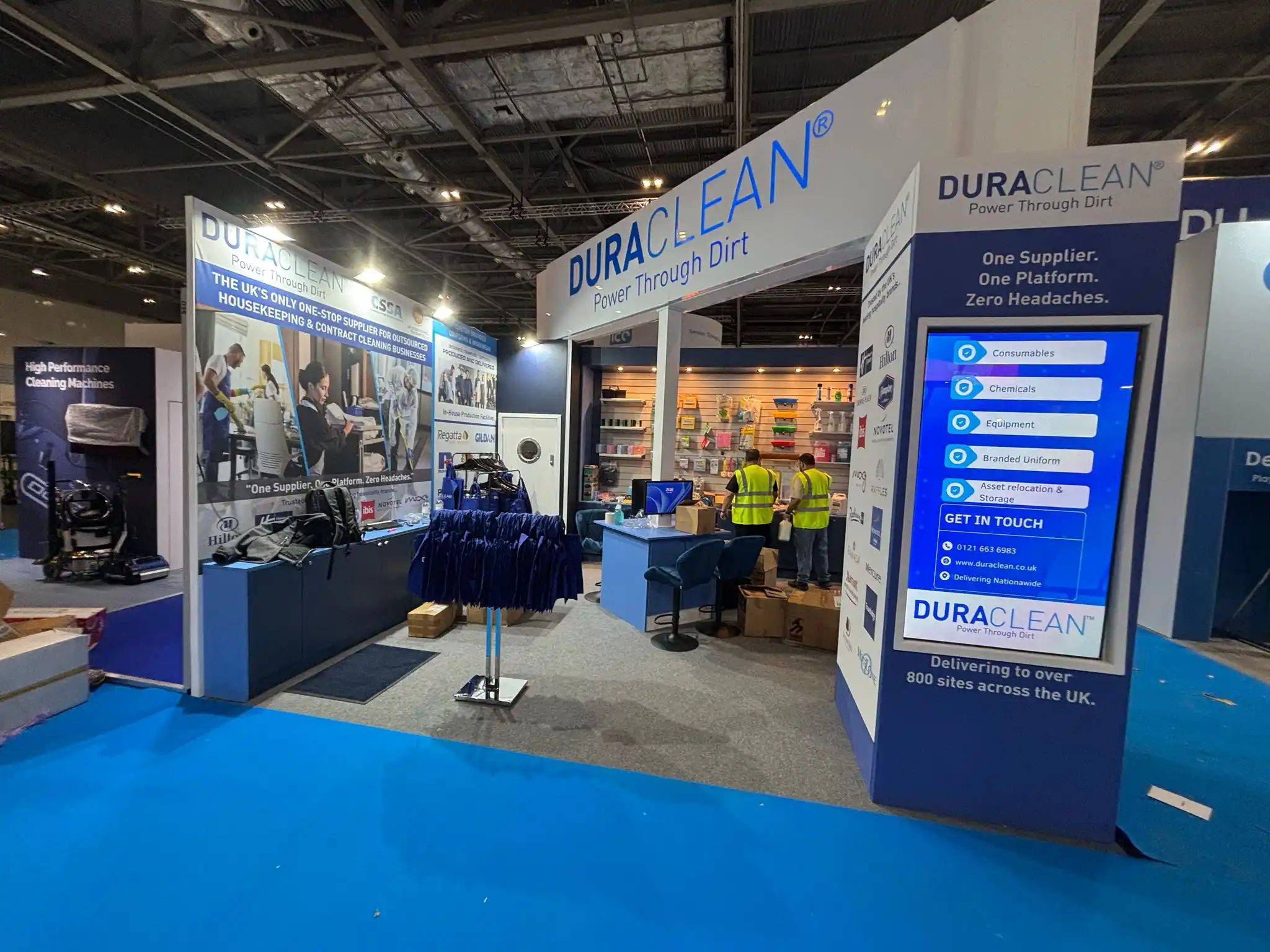
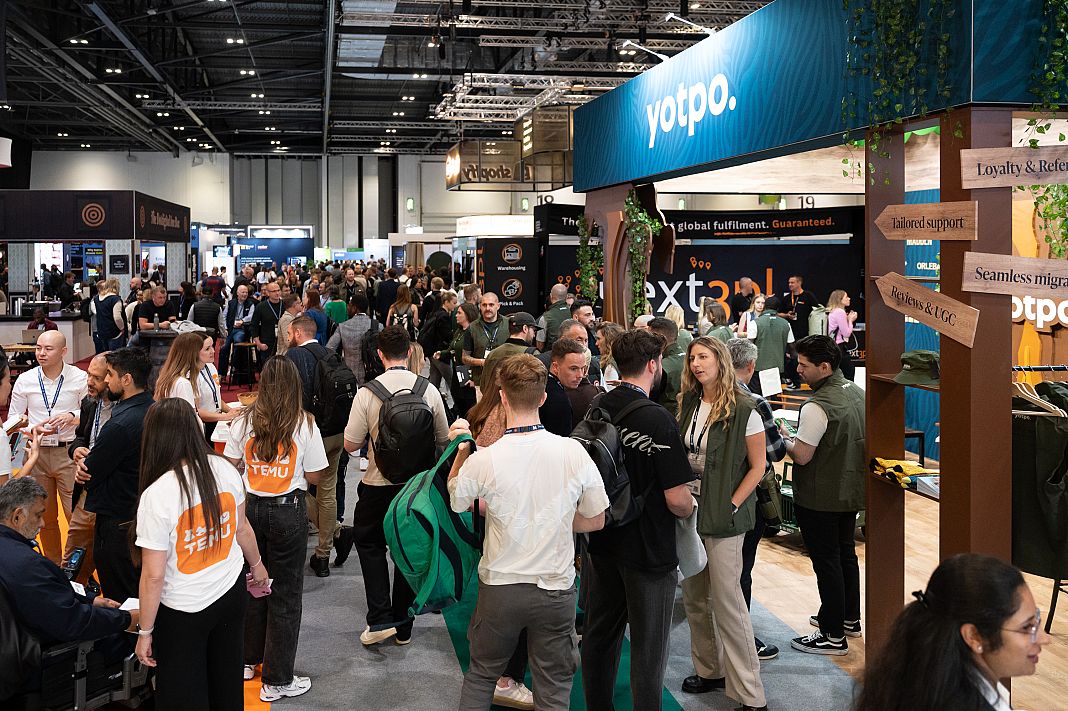
ExCeL's halls are open-plan and long, so a stand competes for attention across considerable distance. Visual hierarchy matters more than detail: one clear message readable from the aisle, lighting that separates your stand from its neighbours, and material contrast that reads at a glance. Open layouts draw more casual traffic; enclosed meeting space converts better for high-value conversations.
Custom stands are designed for one brand and one space, and make sense when the show matters and the footprint is large. Modular systems are reusable frameworks reconfigured per event, and pay back across a busy exhibition programme. Hybrid builds put a custom frontage on a modular core — impact where visitors see it, economy behind. The right answer depends on how many shows you do a year.
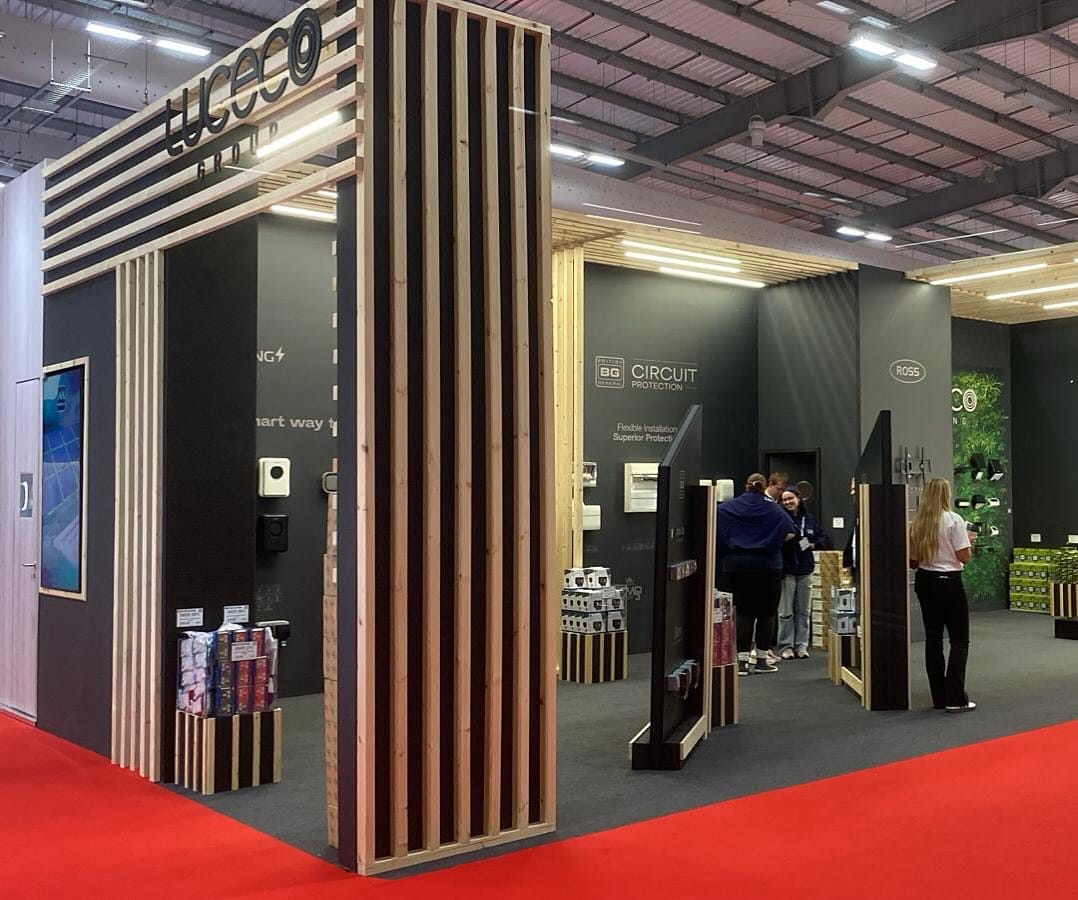
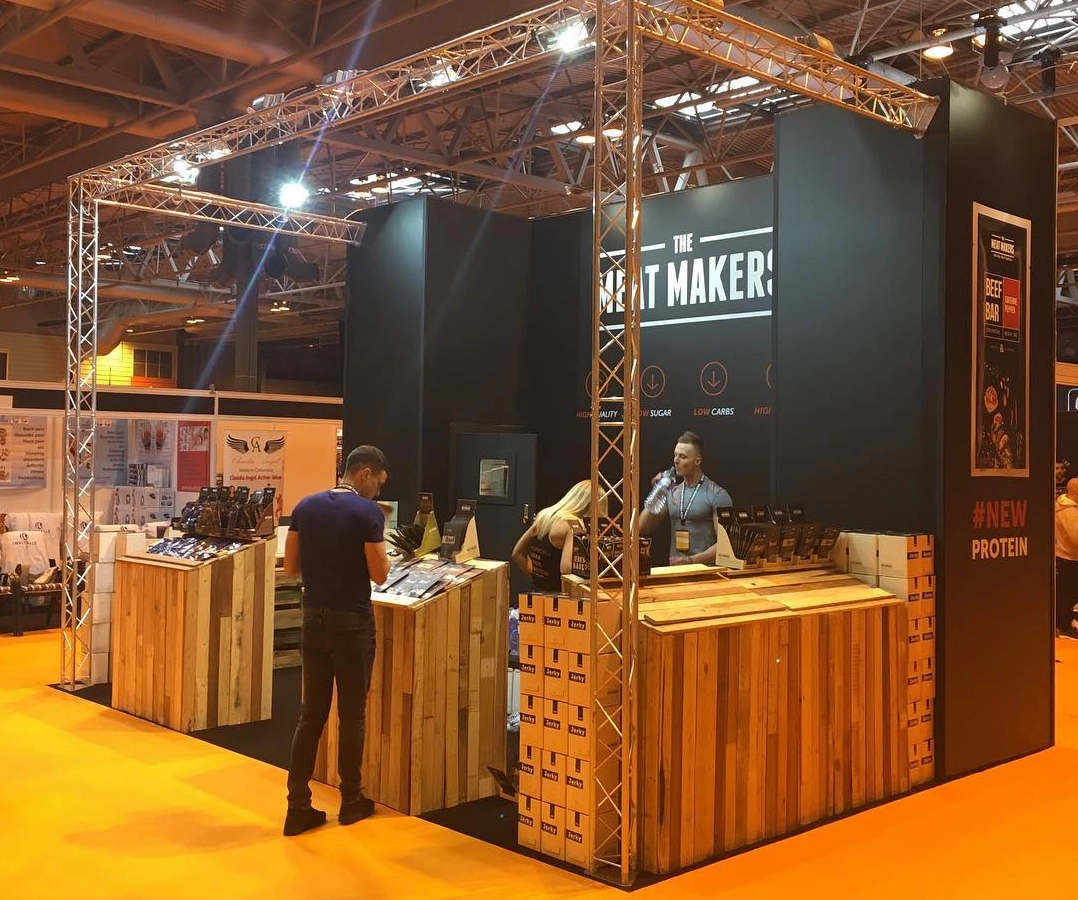
We're ESSA members and have delivered at ExCeL alongside NEC Birmingham, Olympia and venues across Europe. A full build covers design, manufacture, transport, installation, on-site management and dismantle, plus the RAMS, structural sign-off and approved-contractor coordination that ExCeL requires.
You don't have to wait for a callback to find out what a stand costs. Enter your dimensions in our online stand builder and you'll get an instant estimate.
Open-plan halls in the Royal Docks, with timed loading via the east and west entrances.
Grade II listed, tighter access and variable ceiling heights. A different build entirely.
We design and build in our own Midlands workshop, so the price is not carrying capital overheads.
The people who built the stand install it. No handover to a London subcontractor.
ExCeL is the largest hall in London but it is not the only one, and the right venue for a show is rarely the exhibitor's choice anyway. We build across the capital, and because we design and manufacture in our own Midlands workshop rather than renting London space, the cost of the build is not carrying central London overheads.
Height limits vary by hall, typically between 4 and 6 metres. Anything above the limit, or any stand with a platform or upper deck, needs structural drawings signed by a qualified engineer and submitted to the organiser ahead of build. Your show's exhibitor manual confirms the figure for your specific hall.
Not for everything. Rigging, electrics and flooring must be carried out by ExCeL's approved contractors, ordered in advance through the organiser. Stand build itself can be done by your chosen contractor, which is where we come in.
Loading runs through the east and west entrances on tightly controlled time slots booked in advance. Emergency access routes are strictly enforced and cannot be obstructed at any point during build-up or the show itself.
Risk Assessments and Method Statements go to the organiser several weeks ahead, along with structural drawings for complex stands and evidence of public liability insurance to the level your organiser requires. We prepare and submit all of it as part of a full build.
Six to twelve weeks is comfortable for a custom build. The constraint is usually rigging orders and structural approval rather than manufacture, since both are submitted well before build-up and are difficult to add late.
Excel London
15–16 Aug 2026
ExCel London


4–7 Sep 2026
ExCel London
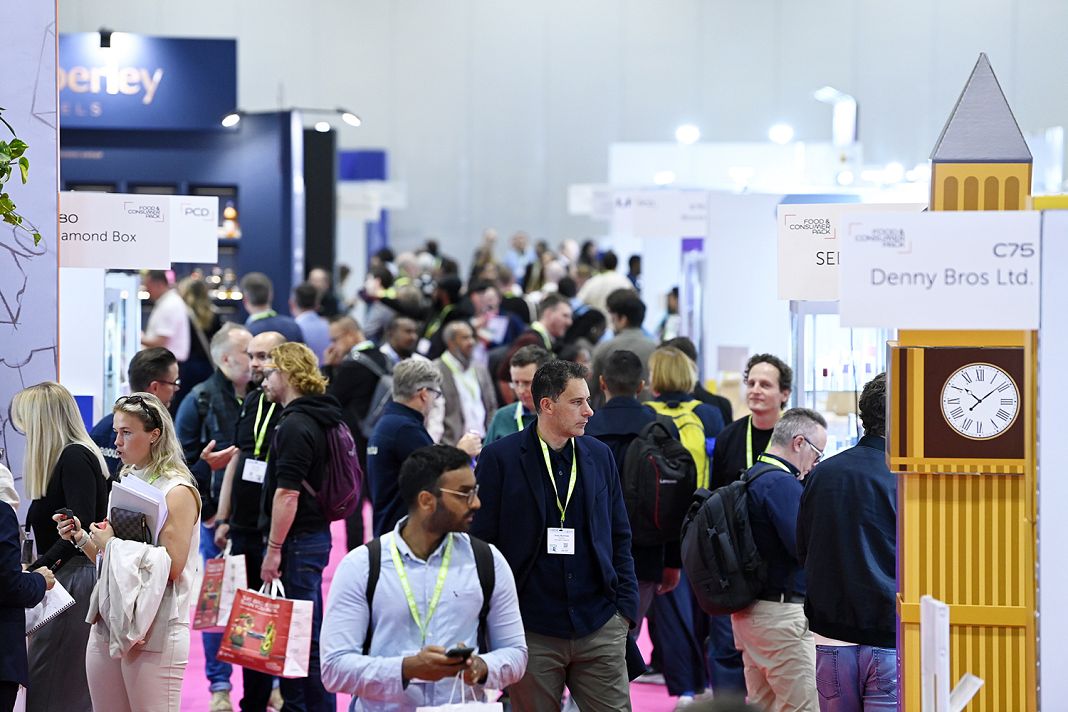
16–17 Sep 2026
ExCel London

.jpg)
16–17 Sep 2026
ExCel London
.jpg)
21–25 Sep 2026
ExCel London
.png)
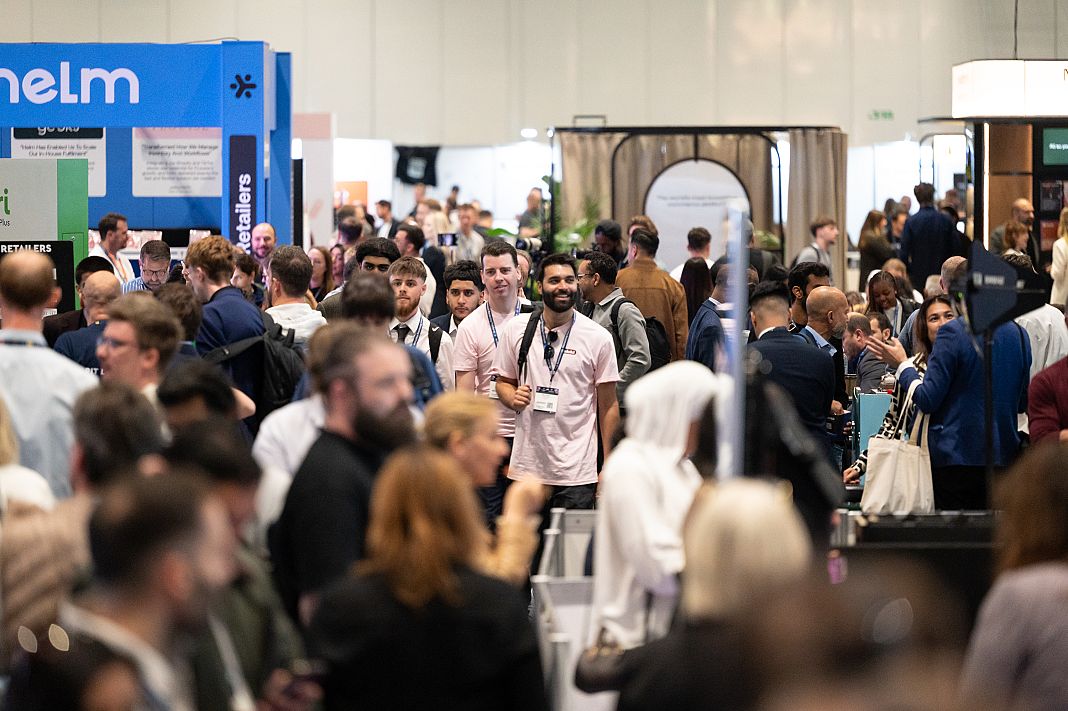
23–24 Sep 2026
ExCel London
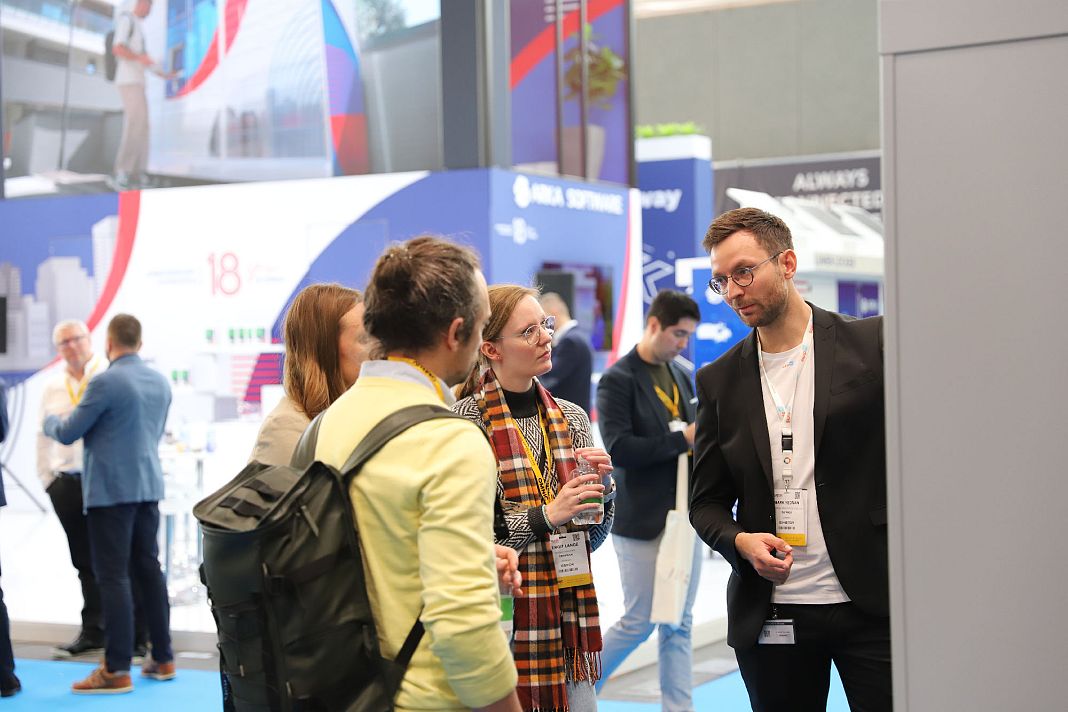
-(3).png)
29–30 Sep 2026
ExCel London
.png)
.png)
29–30 Sep 2026
ExCel London

Expert craftsmanship underpins every exhibition stand we build — combining precision construction, premium materials, and many years of hands-on experience to deliver stands that look exceptional and perform flawlessly on site.

.jpg)